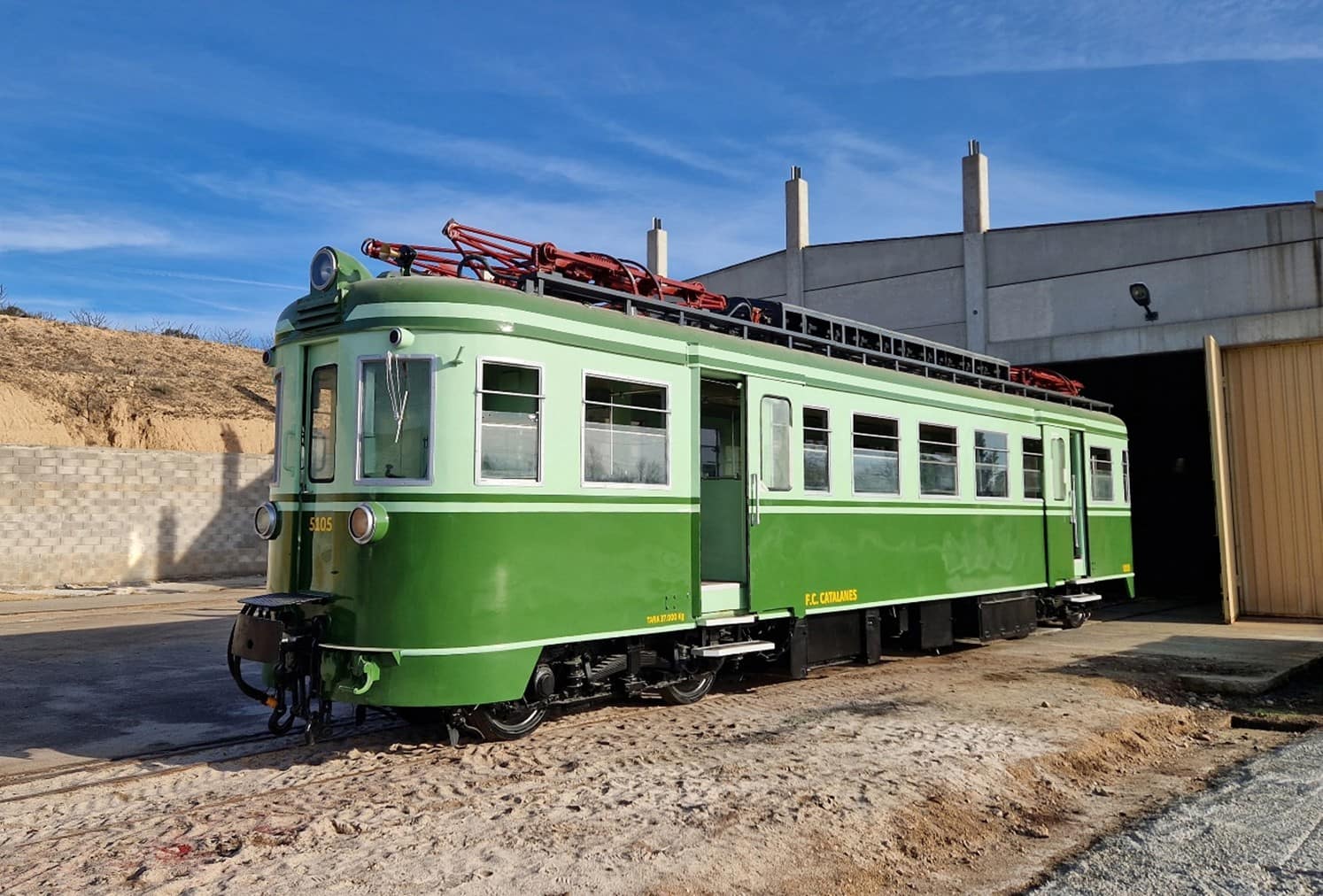
On the line of the CGFC, Compañía General de Ferrocarriles Catalanes, the first electric unit built by Naval arrived in June 1960, to serve the expansion of electrification that was being carried out between Sant Boi and Pallejà and which would be inaugurated in July 1961.
These vehicles had two driving cabs, with electrical equipment distributed between the roof and the frames. They were equipped with four traction motors, two per bogie, which developed a power of 471 kW and a maximum speed of 70 km/h. The traction and pneumatic equipment was Westinghouse, assembled by CENEMESA, and the bogies were designed by Ganz.
The first five, 3001 to 3005, were assigned to the VN Railway, then operated by the State Railway Exploitation (EFE), and six trailer cars, 6006 to 6010, also arrived. The next six, 3006 to 3011, and trailer cars 6011 and 6012, were assigned to the Guadarrama Electric Railway. Cars 3012 to 3015 and the three motor vans (3101 to 3103) went to the La Loma Railway, which connected Linares with Úbeda and Baeza. The General Company of Catalan Railways (CGFC) purchased five units, 3016 to 3020, and numbered them 5001 to 5005, and five trailer cars also arrived, which were numbered 6001 to 6005, pairing them with the motor cars. These vehicles had their peculiarities because they did not have a motor van or a toilet and had fewer seats at one end; this space was occupied by large platforms with double doors on each side, which were very suitable for the commuter service that had been planned.
For the expansion of the Catalans network, more material was needed, and therefore it acquired the motor vans from the Ferrocarril de La Loma and all the Naval units from the Cercedilla to Navacerrada and Los Cotos line. The initial compositions increased in capacity with modernized metal-clad carriages built by the company itself from wooden carriages.
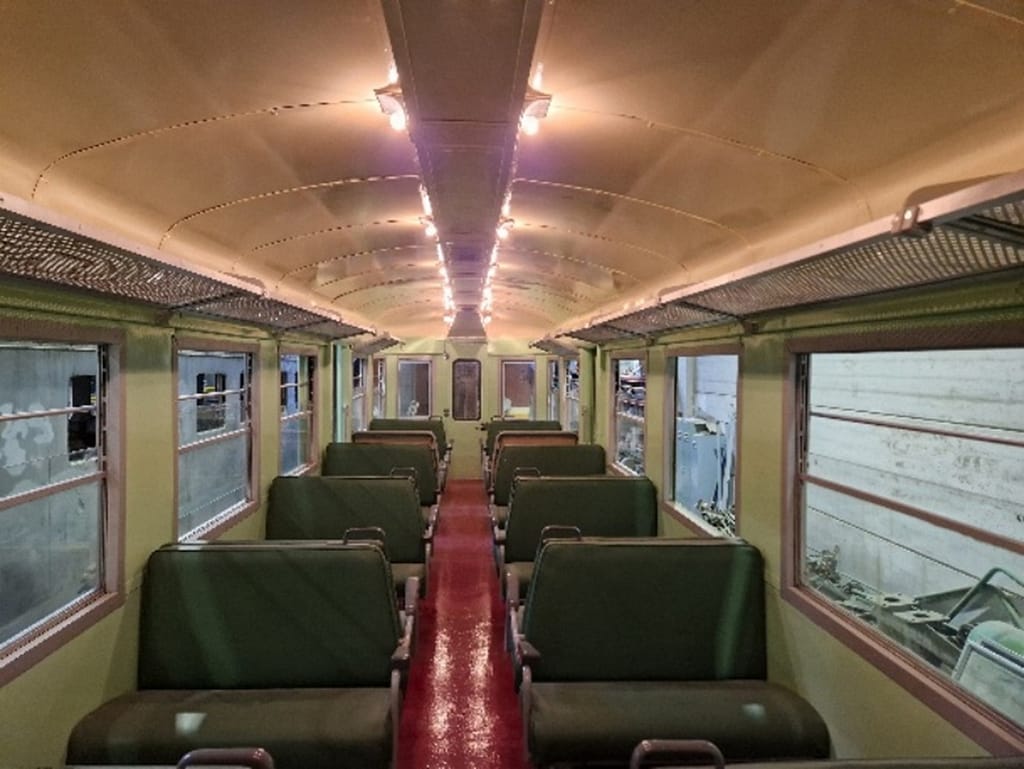
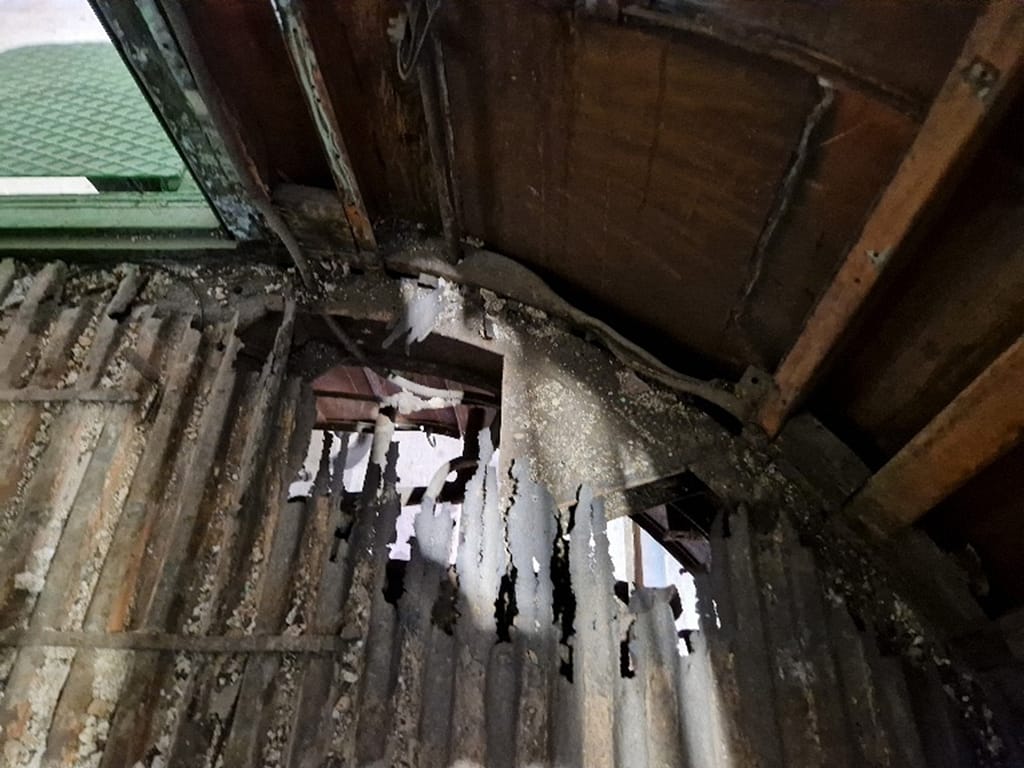
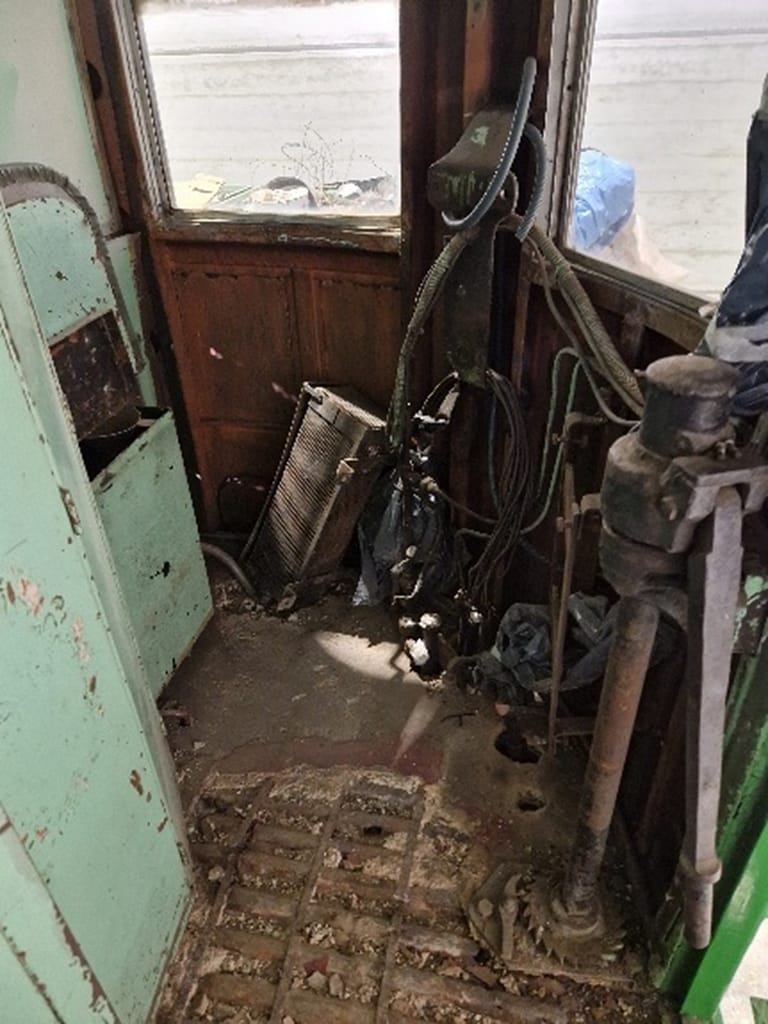
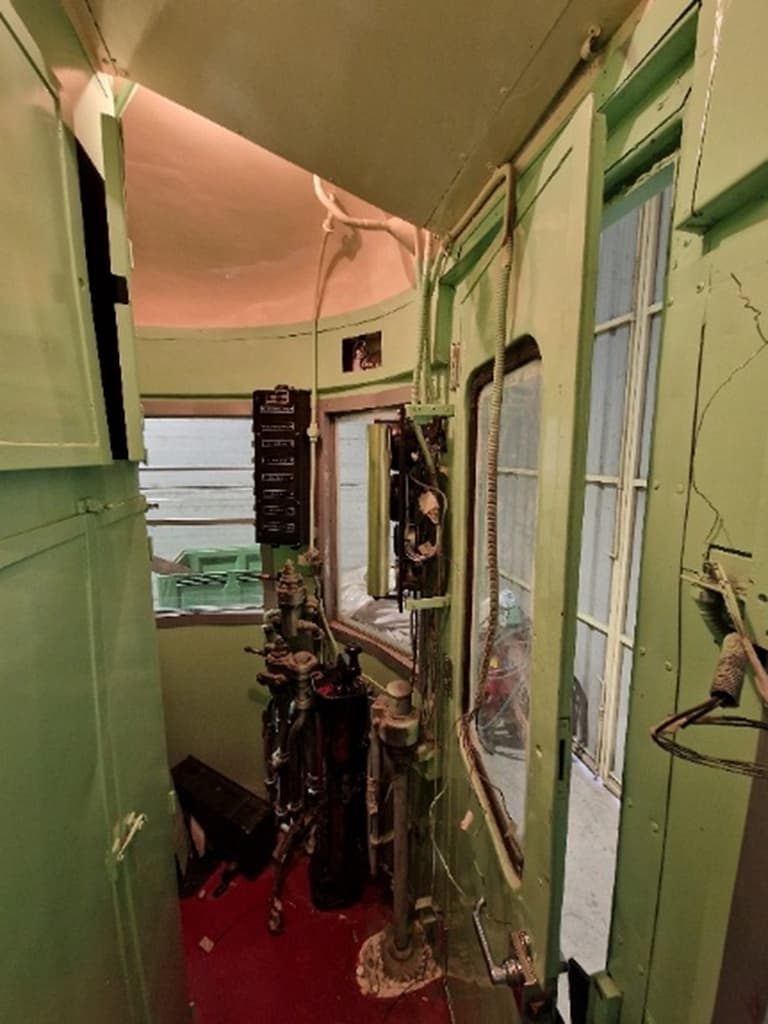
At the same time, the Navales from the Navacerrada line were assigned to the regional service between Barcelona and Manresa. They were modified by removing two of the four original doors and adding pneumatic operation to the remaining four. One of the two driving cabins, the toilet, and other minor items were also removed. With a green color scheme, they were renumbered from 5101 to 5106, and with this new livery, they were known as “the Lizards.” With the arrival of electrification in Monistrol on April 6, 1971, from there to Manresa, they were towed by an Alsthom diesel locomotive. This is how the service was maintained until the extension of electrification, during the FGC period, on January 4, 1984. Years later, most of the train sets were modernized, but unit 5106 was preserved for a future museum. After its time at the Móra la Nova Museum workshop, we can now admire it at the facilities.
Technical data sheet
| Any construction | 1960 |
| Constructor | SEC. IV CENEHESA |
| Track width | 1 meter. |
| Length | 16.100 mm. |
| Height | 4.000 mm. |
| Amplification | 2,400 mm. |
| Pes | 27 thousand. |
| Axis layout | Bo' Bo' |
| Tension | 1.500 Vcc |
| Motors | 4 x CENEMESA |
| Power | 470 kW |
| Maximum speed | 70 kilometers per hour |
Client: FGC
Types of Restoration: Cosmetic
Any: 2024