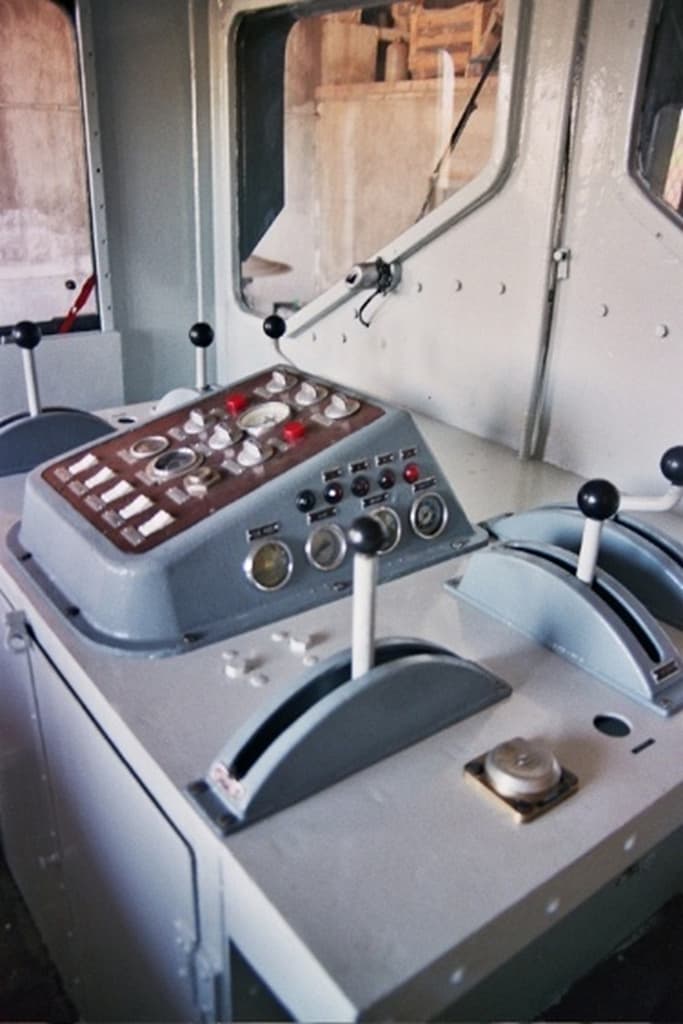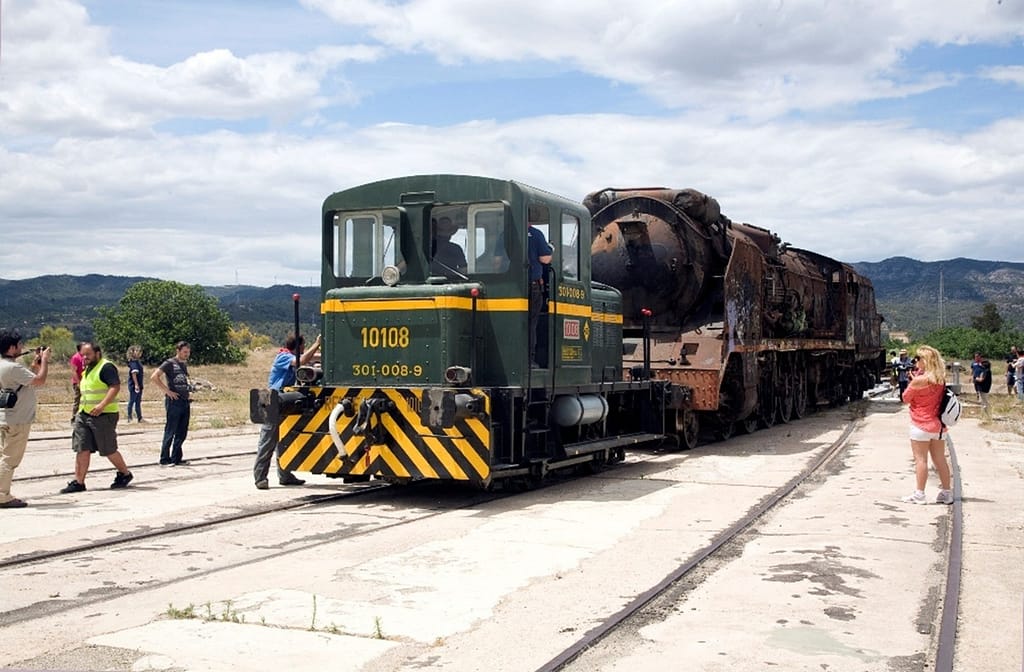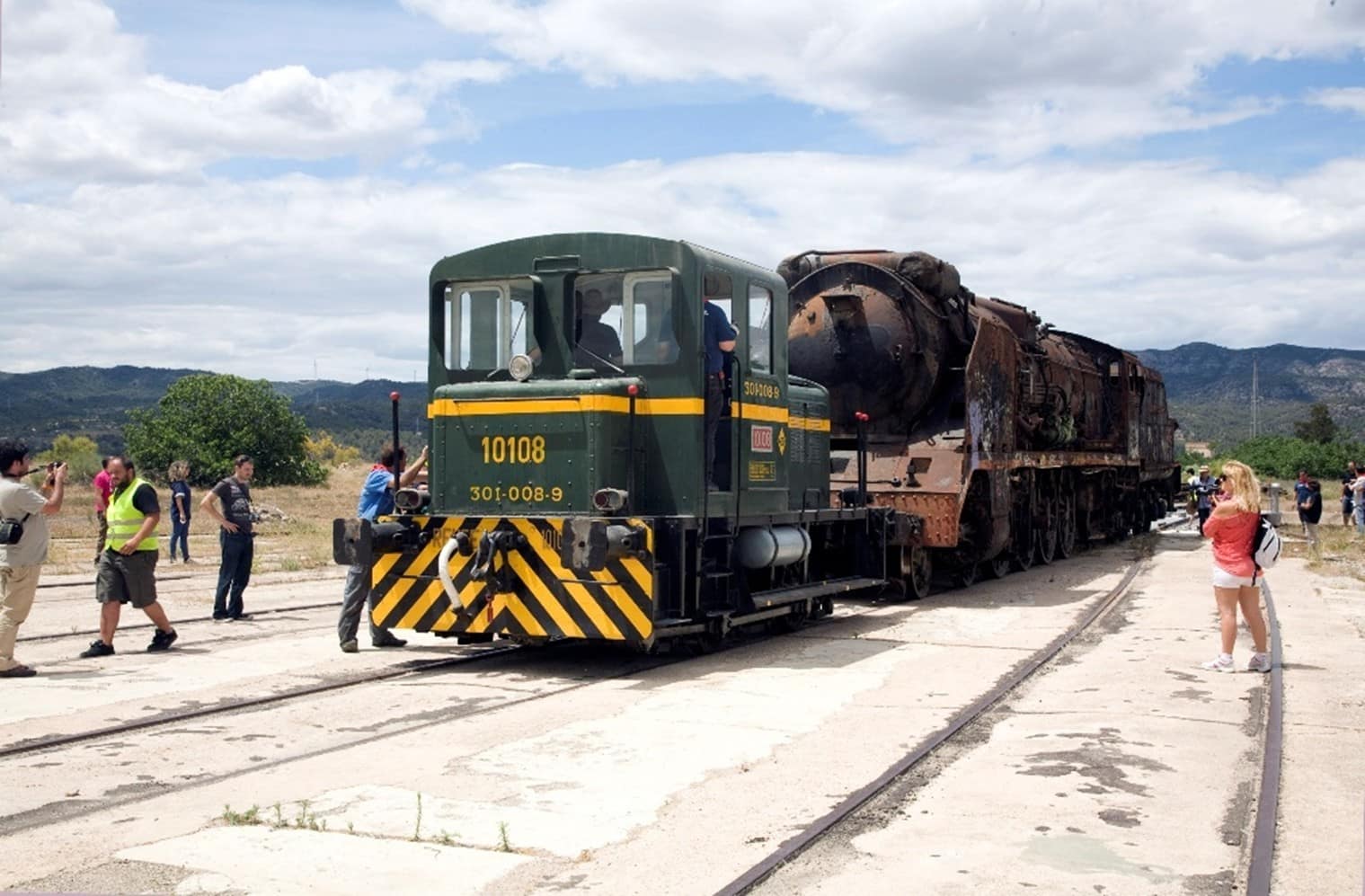
Between 1959 and 1963, RENFE acquired forty-six small diesel tractors to replace steam locomotives in shunting duties at stations and industrial sidings. These would form the 10.100 series, later the 301 series, and were distributed throughout the railway network. MACOSA, MTM, and Euskalduna were their manufacturers. They were equipped with a Pegaso engine and a mechanical transmission with a hydraulic clutch. Due to their small size and engine, they were popularly known as "Mé-Mé" because of the sound of their horn, and also as "Pegassins" after their engine. The good performance of these vehicles led to the construction of more units intended for industries with their own sidings, some of which are still operational.
With a top speed of 50 km/h, 130 horsepower, a wheelbase of less than 7 meters, and very reliable mechanics, for years they have been excellent locomotives for performing shunting and classification of all types of rolling stock.
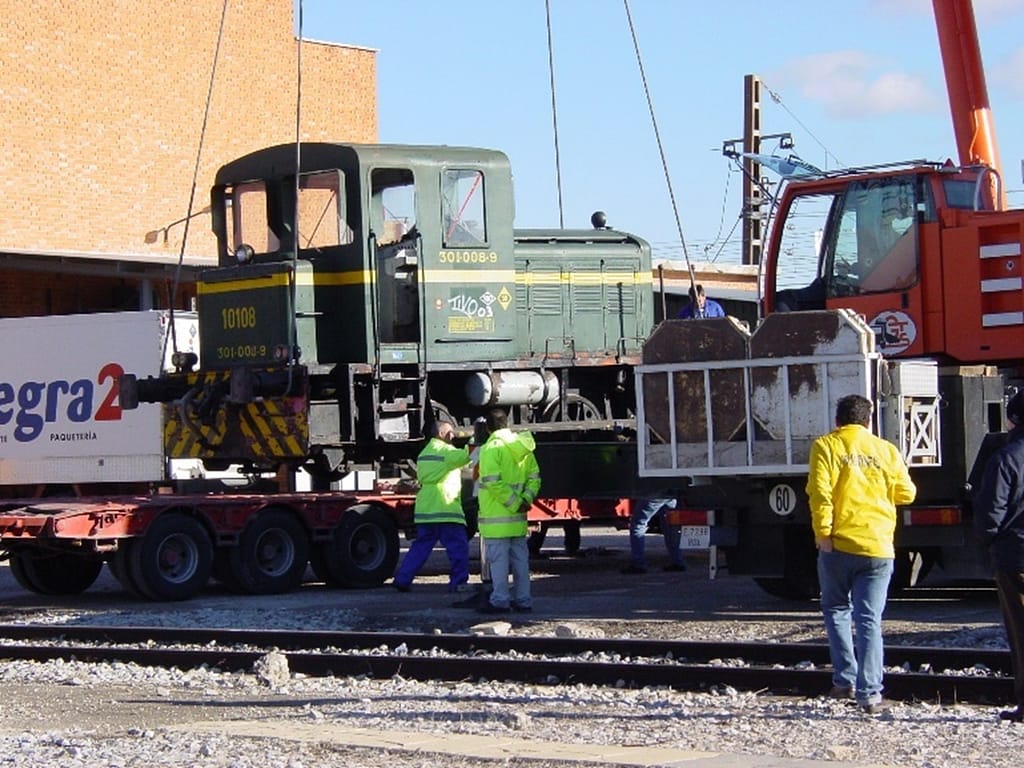
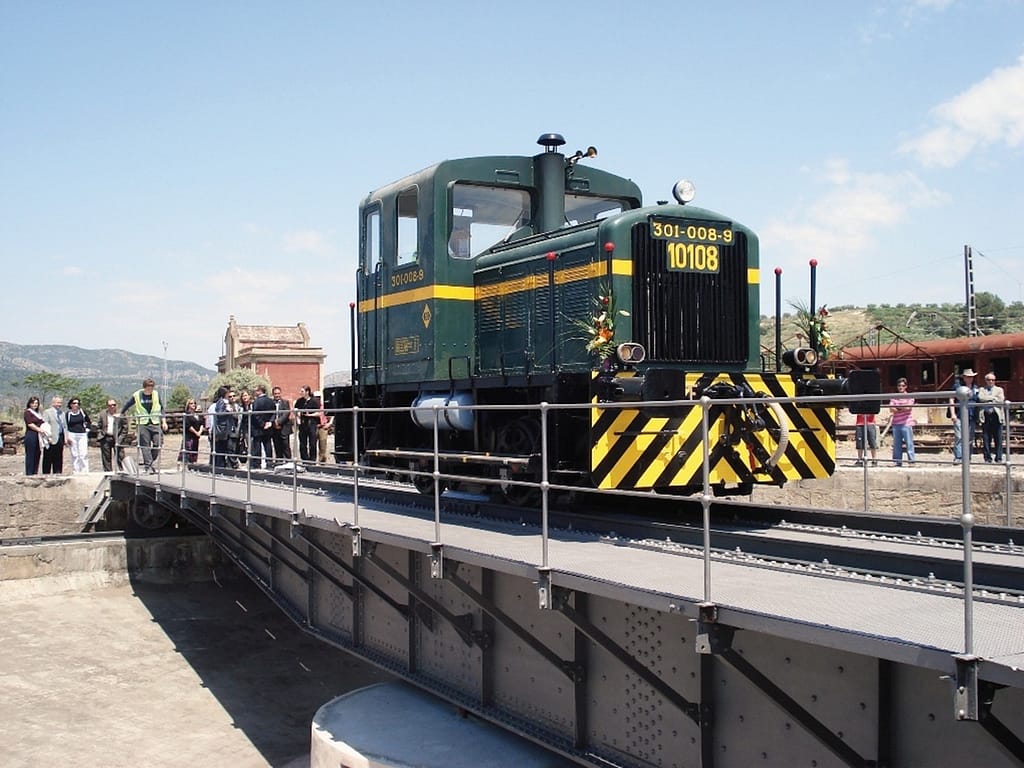
The 301.008, originally 10.108, was performing its final duties at the Renfe Fuencarral workshop. In 2010, with the financial participation of APPFI members, it was acquired and transferred to the Móra la Nova Railway Museum, where it has been restored and put into service.
Technical data sheet
| Any construction | 1963 |
| Constructor | Basque |
| Track width (mm) | 1.668 |
| Longitude | 6,780 miles. |
| Height | 3.625 m. |
| Amplification | 3.050 m. |
| Pes | 55,115.6 pounds |
| Axis layout | Bo' |
| Transmission | Diesel mechanics |
| Diesel engine | Pegaso Enasa III D |
| Power | 130 HP (97 kW) |
| Maximum speed | 50 km/h |
Client: FPPFI
Restoration Types: Functional
Any: 2010